Micro: Life on the Market Square
Now it’s time to understand life on the small scale. For example, this is what it looks like right now near where I live:
Lecture notes in microeconomics here.
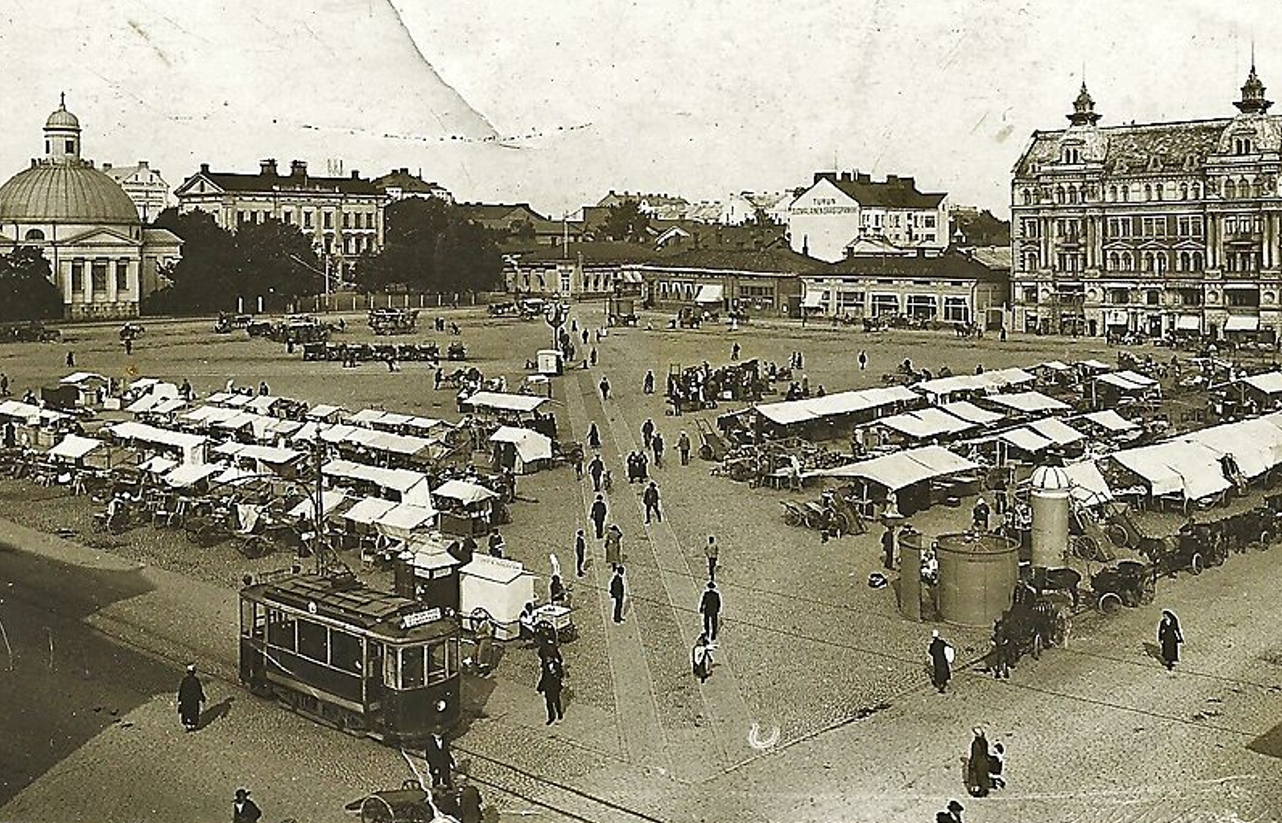
Here in central Turku in southern Finland there are lots of hair salons, gyms and restaurants. At the Market Square you can buy strawberries, coffee and ice cream. But what is it that has made the city look like this today? Who decided that so much ice cream should be sold? Why are there so many sushi restaurants but nowhere to get Norwegian rømmegrøt? And why does the city change over time? Life on the Market Square looks different today than when I first came to Turku. Back then there were travel agencies and shops where you could rent videotapes. A hundred years ago the city centre teemed with street cleaners, cinema pianists and lamplighters. Where did they all go? Who decides what should exist and grow, and what must disappear?
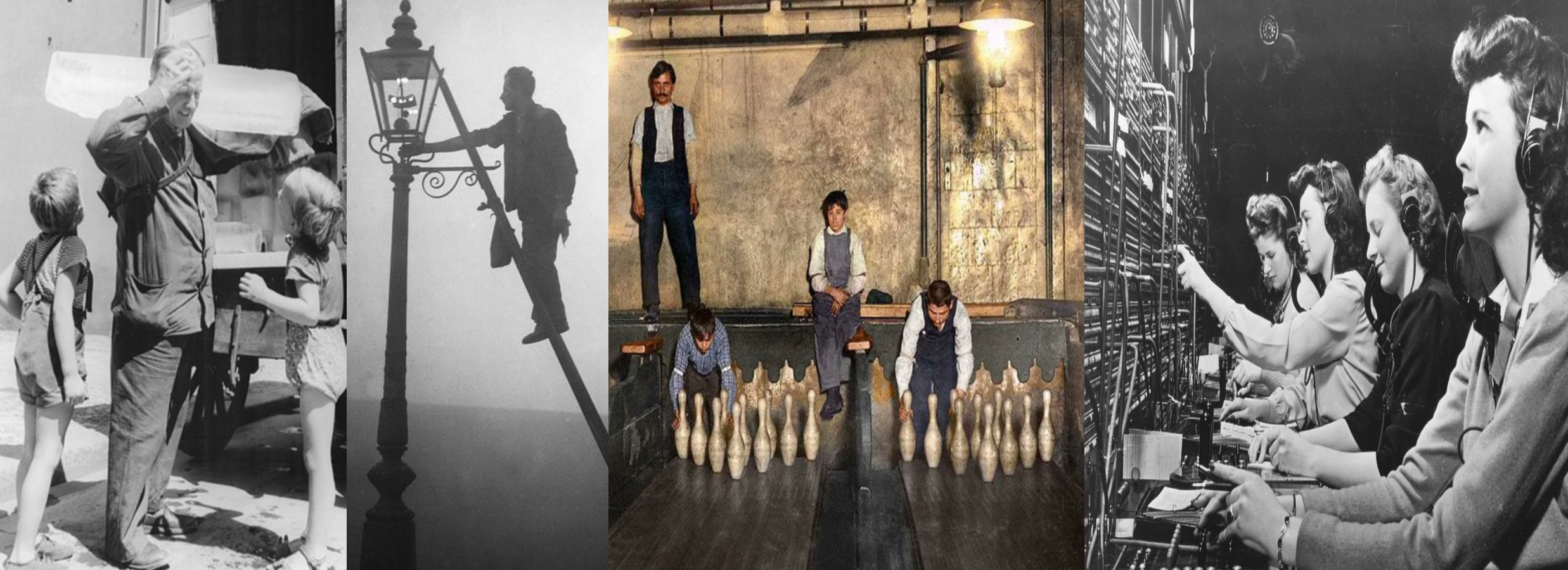
The answer is that to a large extent market forces determine what our society looks like. Microeconomics examines these market forces and life on the small scale. If you learn how the market works, you’ll understand why society looks the way it does. You’ll also be able to see the advantages and disadvantages of our economic system. Is the market a smart way to decide what we work with and what we consume? Or should politicians rein in market forces more and steer society in another direction? Maybe the whole system should be abolished and replaced with something completely different?
microeconomics focuses on the small components of the economy, such as individuals, firms and individual markets
macroeconomics analyses the large aspects of the economy, such as GDP, unemployment and inflation
Let’s begin our journey into the fascinating world of microeconomics.